Survey before specificationColumn, location and access conditions shape every proposal.
FOR HIGHWAYS TEAMS
Street innovation that starts with asset reality.
OKLUS is being developed as a retrofit environmental sleeve for suitable lighting columns, with surveys, access, installation, servicing and records treated as core design inputs.
Safe installation logicMethod, working area and interfaces are defined before deployment.
Serviceable throughoutInspection, maintenance and issue records remain visible.
A RETROFIT CONCEPT BUILT AROUND THE STREET
The unit is only one part of the system. Delivery confidence comes from everything around it.
For highways teams, a credible environmental infrastructure pilot must fit the existing asset, the route, the working method and the maintenance model.
OKLUS brings these questions into the design process early. The aim is to make constraints visible before installation, support proportionate approvals and create a clearer operational record during the pilot.

RETROFIT INTERFACEColumn and sleeve considered as one installation
GROUND-START DETAILAccess and public-realm finish remain part of the review
THE SITE SURVEY COMES FIRST
One visual language, many real-world conditions.
A consistent OKLUS appearance does not mean a one-size-fits-all installation.
Each proposed location would require an appropriate technical review. The pilot process is intended to help teams identify suitability, exclusions and additional engineering questions before a unit is specified.
Column informationType, dimensions, material, condition, access doors and existing attachments.
Location contextFootway width, desire lines, loading, sightlines, adjacent assets and local character.
Operational accessInstallation space, traffic management needs, working hours and future service approach.
Environmental fitOrientation, exposure, living-media conditions and realistic maintenance requirements.
TECHNICAL DEVELOPMENT & ASSURANCEStructural, electrical, drainage, access and installation questions are brought together in one public assurance framework.
Review Technical Assurance →FUTURE HIGHWAYS SUPPORT VIEW
From a column on the street to a record the team can act on.
The future dashboard concept is intended to bring readiness, access, service tasks and pilot observations into one calm operational view.
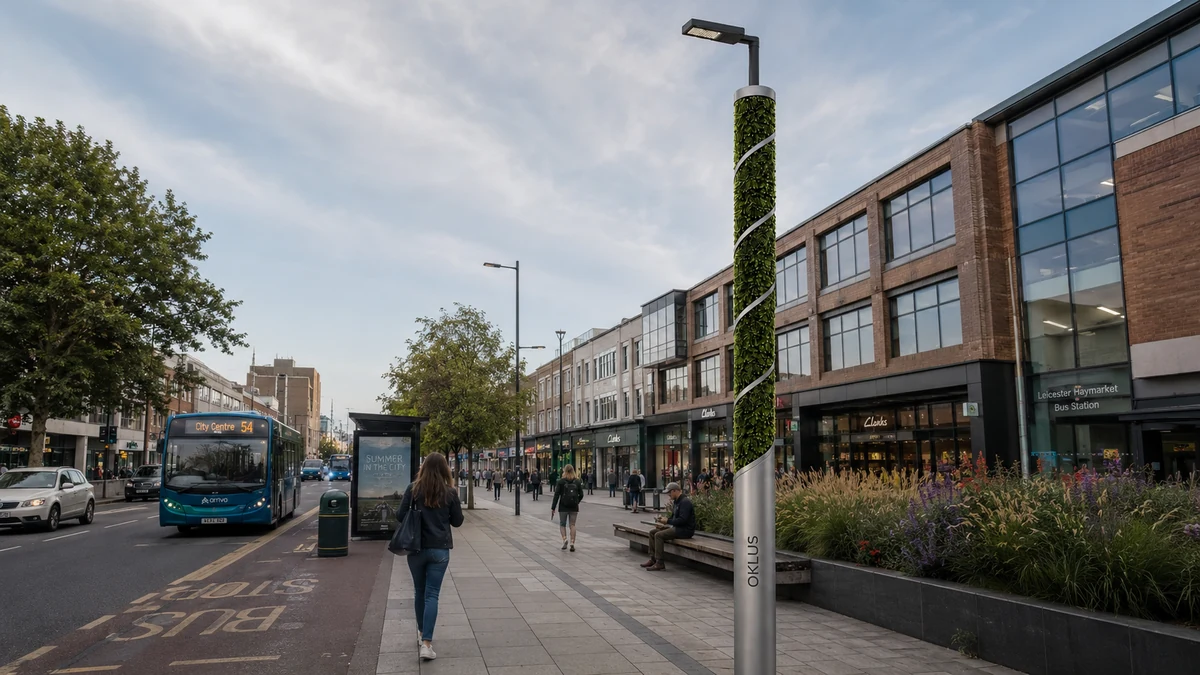
ASSET CONTEXTLighting column beside active bus and pedestrian routeLocation and asset details shown for concept discussion only
DESKTOP REVIEWComplete
SITE SURVEYNext gate
METHOD REVIEWPending
INSTALLATIONPending
SERVICE PERIODPending
A HIGHWAYS-LED DELIVERY PATHWAY
Six practical gates before a pilot becomes a street works activity.
The pathway is intentionally sequential. It allows a proposal to pause, change location or change configuration when the evidence says it should.
Desktop route review
Identify candidate assets, local constraints, ownership and any obvious exclusions.
Inspect the location
Capture column details, access, public movement, adjacent assets and maintenance reality.
Resolve the interface
Confirm configuration, fixing approach, clearances, finish and living-media requirements.
Prepare the works
Set method, programme, responsibilities, public protection and any traffic management.
Install and service
Record installation, inspections, maintenance actions, observations and emerging issues.
Decide the next step
Use technical, operational and place-based learning to stop, refine or extend the pilot.
DESIGNED FOR THE WORKING WINDOW
Installation is temporary. Service access continues throughout the pilot.
A premium public-realm finish must still be practical for the people responsible for keeping it safe and presentable.
The OKLUS operating model is being developed around defined inspections, replaceable components, living-media care and a clear route for logging issues. Exact arrangements would be agreed for each pilot.
Accessible inspection points
Routine checks should not require unnecessary disruption.
Planned living-media care
Plant condition, refresh cycles and seasonal needs are part of the service plan.
Replaceable elements
Components should be considered for repair, refresh and responsible end-of-life handling.
Visible issue ownership
Each action has an owner, target date and recorded outcome.

METHODDefined access and task sequence
RECORDInspection and action history
ESCALATEClear response when conditions change
ASSURANCE WITHOUT OVERSTATEMENT
The page makes the questions visible, not the answers automatic.
Compliance, structural suitability, electrical interfaces, highways permissions and working methods remain location-specific and subject to competent review.
Can the asset accept the proposed configuration?
Survey evidence, engineering input and any required calculations inform suitability.
Evidence required before approvalCan it be installed and serviced safely?
Footway, carriageway, movement, access and temporary works considerations are reviewed.
Method agreed before worksWho owns each recurring task?
Inspection, media care, cleaning, defects, data and escalation responsibilities are named.
Owner visible throughout pilotDoes it feel integrated into the route?
Scale, finish, sightlines, interpretation and local context remain part of the decision.
Place quality reviewed in useFROM ONE ASSET TO A ROUTE VIEW
Start with individual suitability. Learn toward a portfolio decision.
Route-level thinking should come after site reality. The purpose of a pilot is to understand where the concept fits, where it does not and what a serviceable pattern could look like.

CIVIC CORRIDOR
Public transport, walking and active frontages
A visible location where public-realm quality and operational access must work together.

SCHOOL ROUTE
Daily movement and education
Potential for structured route learning with safeguarding and community context built in.
COMMUNITY ROUTE
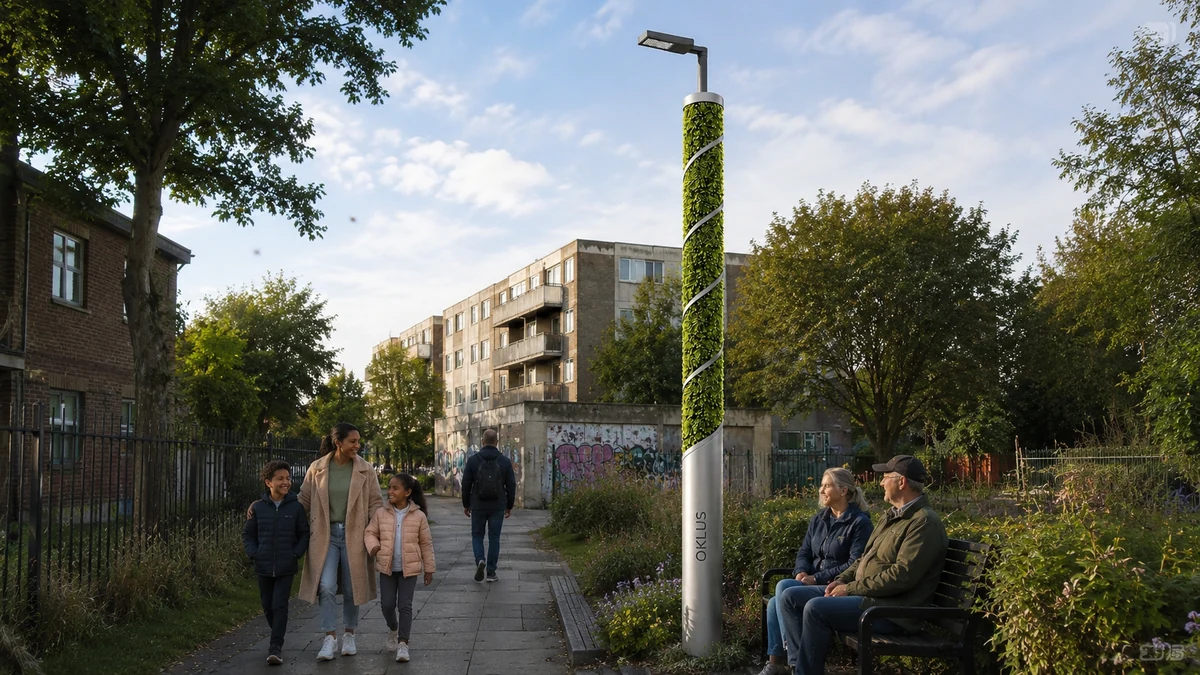
Local access and neighbourhood value
A calmer setting for understanding service patterns, public response and place integration.
CURRENT HIGHWAYS POSITION
Ready for technical discovery, not assumed deployment.
OKLUS remains at development and pilot-planning stage. Every proposed installation would require appropriate surveys, design review, permissions, risk controls and agreed maintenance arrangements.
Current stageConcept development, technical partner engagement and route discovery
Best first stepA desktop review of one route followed by a small number of candidate asset surveys
Highways principleNo specification before location, asset, access and service conditions are understood
Claims positionNo assumption of column suitability, permission, environmental performance or wider rollout
Useful outcomeA clear suitability map, delivery method and evidence-led recommendation for the next gate