Define the question
Agree what the pilot is intended to learn, who needs the answer and what decision follows.
EVIDENCE PLATFORM
OKLUS is building an evidence approach that connects the physical unit, the route, the maintenance record and the agreed public-value question. The result is a clearer basis for what happens next.
THE DECISION ARCHITECTURE
A useful pilot starts with a practical question. It then connects measures, operational records and local context so councils and partners can make a proportionate next-stage decision.
Agree what the pilot is intended to learn, who needs the answer and what decision follows.
Record route conditions, asset status, intended use and the factors likely to influence results.
Connect readings with service activity, seasonal conditions, interventions and data quality.
Separate observations, measured findings, limitations and next recommendations.
THE EVIDENCE ENGINE
A pilot becomes more valuable when physical performance, maintenance activity and route context can be reviewed together.
OKLUS is shaping a structured record that follows the asset through installation, operation, intervention and evaluation. This creates continuity for council teams, delivery partners and future investors.
FUTURE PILOT DASHBOARD
The dashboard concept brings together unit status, local readings, maintenance actions, observations and data-quality notes. It is designed to support decisions, not overwhelm teams with noise.

A BALANCED MEASUREMENT SET
Pilot confidence comes from combining several evidence types and understanding how they relate.
Installation quality, physical condition, presentation and component performance.
Time, frequency, materials, interventions and seasonal living-media care.
Agreed local measures presented with calibration, quality and location context.
Weather, footfall, nearby activity, shade, season and surrounding street conditions.
Awareness, understanding, perceived value and concerns recorded proportionately.
Survey effort, installation pathway, responsibilities, cost drivers and repeatability.
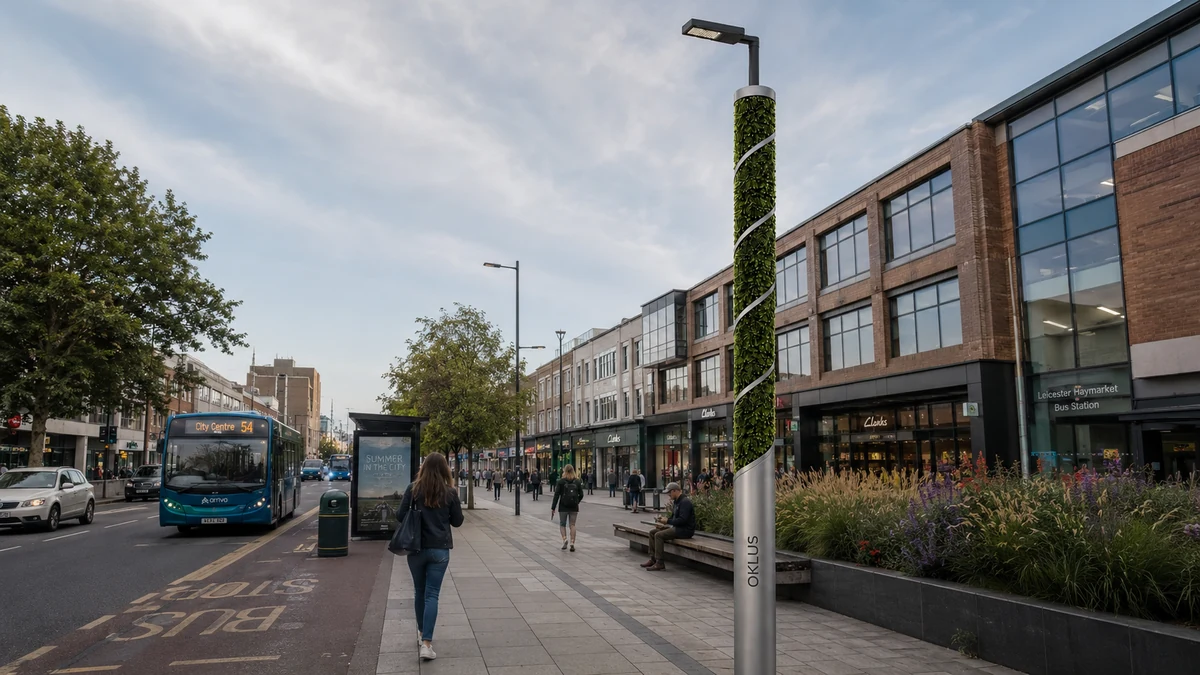
Higher activity, varied sources and more complex interpretation.

Visibility, education and public understanding become part of the evidence.
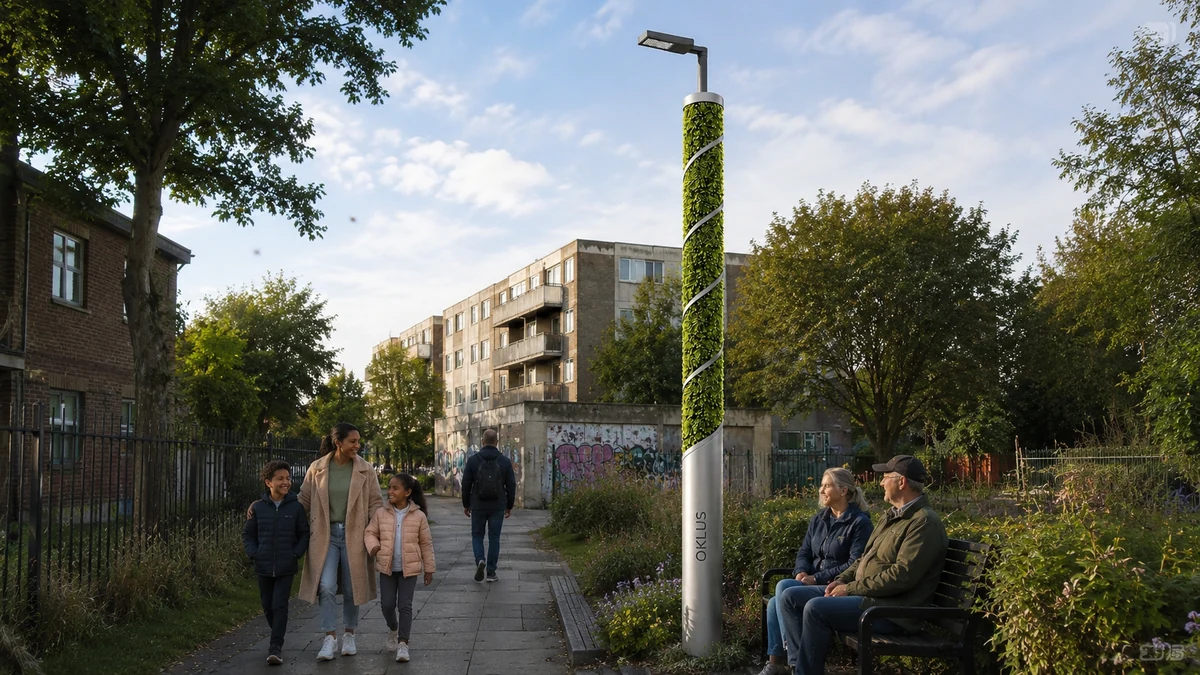
Season, planting, shade and maintenance patterns shape the pilot record.
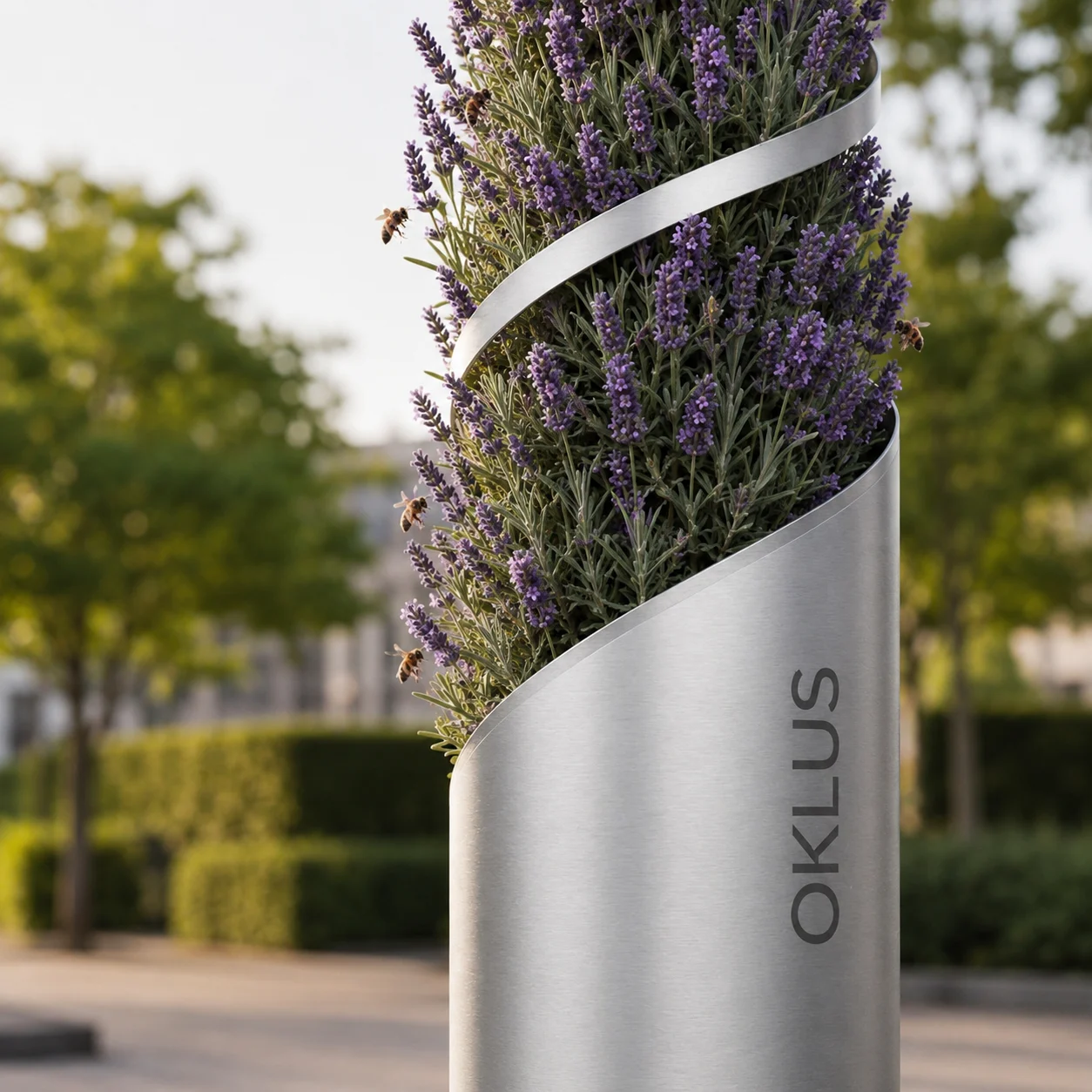
BIODIVERSITY RESEARCH
Urban biodiversity interventions need to demonstrate genuine ecological value rather than simply count modules installed or insects observed nearby.
External insect physiology and behaviour research is helping OKLUS define better questions for future pilots: what conditions exist inside a habitat, how light and orientation affect the site, and whether investigation progresses to nesting, emergence and reuse.
FIVE DECISIONS, NOT ONE VERDICT
Evidence is most useful when it creates clear decision gates instead of a single oversized claim.
Is the pilot operating safely and as intended?
What should change in the product, route or service plan?
Would a longer or wider test improve confidence?
Which elements are ready to repeat on a comparable route?
When does the evidence show that a route or approach is unsuitable?
TRANSPARENT BY DESIGN
Trust is protected when every result carries enough context to be interpreted responsibly.
WHY THIS MATTERS TO INVESTORS
The physical product attracts attention. A repeatable evidence and service system can create the deeper commercial advantage.
Real operating records reveal design, maintenance and delivery priorities earlier.
Common measures and workflows make pilots easier to compare and improve.
Transparent reporting supports stronger relationships with councils and partners.
Service histories and route learning become part of the platform's developing know-how.
CURRENT EVIDENCE POSITION
OKLUS is at a development and pilot-planning stage. The framework is designed to make future findings useful, transparent and proportionate.