
PUBLIC VALUE, CLEARLY GOVERNEDInnovation that councils can examine, challenge and shape.
GOVERNANCE
Innovation earns trust when accountability is built in.
OKLUS is developing a governance model for structured public-realm pilots, with clear ownership, proportionate controls and transparent reporting from first conversation to final recommendation.
Council-led contextLocal priorities and decision rights remain visible.
Privacy by designCollect only what is needed for an agreed purpose.
Clear ownershipResponsibilities are named before the pilot starts.
Transparent reportingProgress, limits and next decisions are recorded.
COUNCIL CONFIDENCE CHARTER
Eight principles for a pilot that can withstand scrutiny.
The charter is designed to turn good intentions into visible working practices. Each principle can be translated into a practical control, record or decision point.
01Evidence-led pilots
Questions, measures and decision criteria are agreed before results are interpreted.
02Honest communication
Development status, uncertainty and limitations are stated without inflated claims.
03Privacy by design
Data collection is purposeful, proportionate and reviewed before deployment.
04Maintenance clarity
Inspection, living-media care, fault response and responsibilities are documented.
05Public value
The pilot is connected to a defined local need, route or community outcome.
06Transparent reporting
Findings, context, quality and limitations remain visible in the final record.
07Council-led context
Local teams shape route choice, stakeholder needs and the meaning of success.
08Continuous learning
Reviews, incidents and interventions are used to improve the next stage.
BIODIVERSITY GOVERNANCE
Ecological responsibility is named before installation.
Habitat features add a distinct set of responsibilities. The pilot should identify who approves target groups, habitat design, siting, monitoring, cleaning, seasonal intervention and removal.
ECOLOGY-LED DESIGNAppropriate ecological expertise informs habitat choices and target groups.
LOCATION SUITABILITYNot every street-light column is assumed to be suitable for biodiversity intervention.
EVIDENCE BEFORE CLAIMSEcological benefits are measured rather than inferred from installation numbers.
AVOID ECOLOGICAL HARMLighting, heat, pollution, road context and surrounding habitat are considered before use.
MAINTAINABLE HABITATSInspection, seasonal safeguards, replacement and removal responsibilities are defined.
TRANSPARENT REPORTINGPositive, neutral and negative findings all remain visible.
THE GOVERNANCE MODEL
One line of sight from purpose to decision.
Good governance should make a pilot easier to run, not harder to understand.
The model connects the pilot purpose, named responsibilities, operational controls, evidence record and final decision. This gives councils, delivery partners and investors a shared view of how the programme is being managed.
- Named pilot owner
- Agreed scope and exclusions
- Decision and escalation routes
- Data and privacy review
- Maintenance responsibilities
- Documented close-out decision
PILOT PURPOSEWhy this route, why now?
01OWNERSHIPWho decides and who delivers
02CONTROLWhat must be reviewed or approved
03RECORDWhat evidence and actions are retained
04DECISIONWhat happens next and why
DECISION RIGHTS
Everyone can see where responsibility sits.
A pilot is stronger when approval, delivery, review and escalation are separated clearly enough to avoid gaps or assumptions.
COUNCIL / ASSET OWNERSets local context
- Confirms route and public-value purpose
- Approves access and local engagement
- Owns the final council decision
OKLUSProvides the framework
- Defines product and pilot documentation
- Coordinates issue and learning records
- Reports development status honestly
DELIVERY PARTNEROperates safely
- Surveys, installs and services to plan
- Records interventions and exceptions
- Escalates faults and site concerns
EVALUATION SUPPORTProtects interpretation
- Reviews methods and data quality
- Separates findings from assumptions
- Clarifies confidence and limitations

PURPOSEEvery field supports an agreed question
ACCESSRoles determine who sees what
RETENTIONRecords follow an agreed lifecycle
PRIVACY BY DESIGN
Useful information without unnecessary intrusion.
The future dashboard concept is intended to support assets and pilots, not profile individuals.
MINIMISECollect only what the pilot genuinely needs.
EXPLAINMake purpose, access and use understandable.
SEPARATEKeep asset records distinct from personal information.
REVIEWRevisit data needs when the pilot changes.
CONTROL WITHOUT BUREAUCRACY
Five records that keep a pilot understandable.
The goal is a compact governance pack that protects accountability while keeping the programme practical for delivery teams.
01
Pilot brief
Purpose, scope, route, stakeholders, measures and intended decision.
02
Responsibility map
Named owners, approvals, delivery roles, contact points and escalation route.
03
Risk and issue log
Live concerns, actions, owners, due dates and the effect on pilot confidence.
04
Operational record
Installation, inspections, servicing, interventions and route observations.
05
Decision report
Findings, limitations, lessons, recommendations and agreed next stage.

SAFEGUARDING CONTEXTSchool routes
Engagement, language and data choices must suit young people and families.
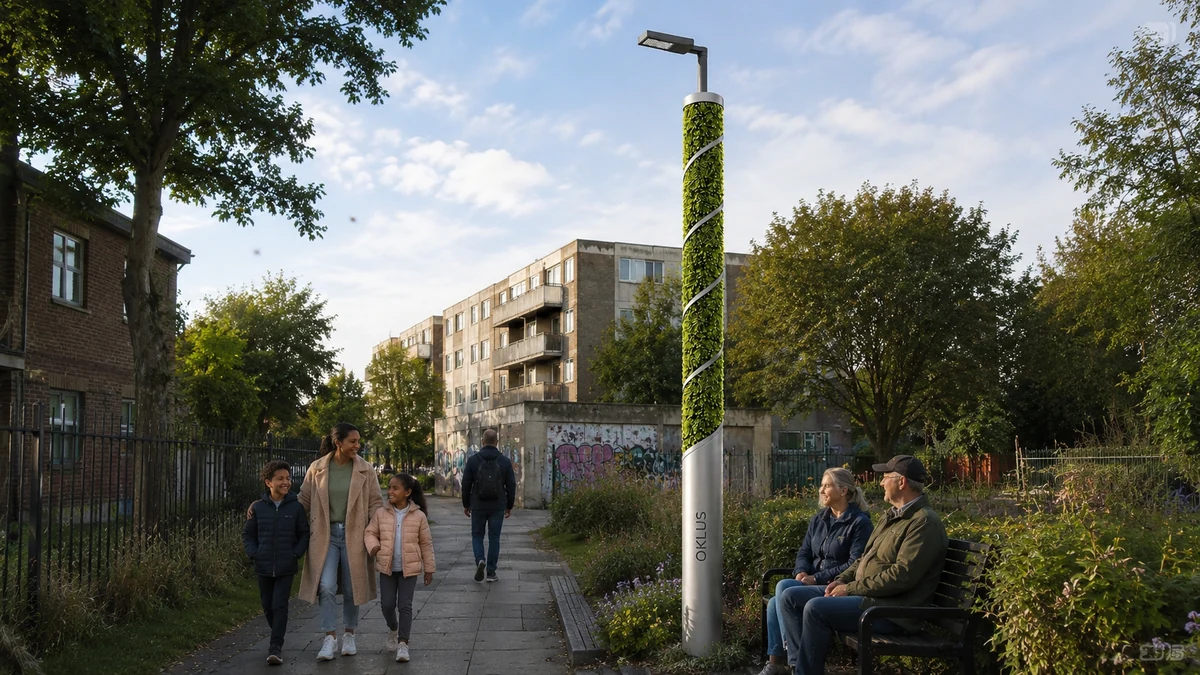
COMMUNITY CONTEXTNeighbourhood routes
Local expectations, access and public feedback shape the governance plan.

ECOLOGY CONTEXTGreen routes
Maintenance, planting and seasonal change require clear specialist ownership.
PROPORTIONATE RISK MANAGEMENT
Make uncertainty visible before it becomes a surprise.
Risk management is treated as a learning discipline, not a promise that nothing will change.
Each risk is linked to an owner, a control, an indicator and a decision route. The record can then show whether the risk reduced, changed or requires a different approach.
SITEAccess, utilities, highway constraints and surrounding use
PRODUCTFit, materials, durability, finish and component performance
OPERATIONSInspection, maintenance, faults, resources and response times
DATAQuality, availability, interpretation, access and retention
PUBLICUnderstanding, concerns, accessibility and unintended effects
DELIVERYResponsibilities, dependencies, cost drivers and repeatability
WHY THIS MATTERS TO INVESTORS
Governance is an enabler of responsible scale.
A credible governance system helps turn a striking concept into a repeatable proposition that public-sector partners can evaluate with confidence.
01Reduces execution risk
Responsibilities, controls and escalation routes reveal operational gaps earlier.
02Supports repeatability
Common records and decision gates make later pilots easier to compare and improve.
03Protects reputation
Honest communication and visible limitations reduce the risk of overstatement.
04Improves diligence
A clear trail of decisions, risks and learning strengthens future review and investment conversations.
CURRENT GOVERNANCE POSITION
Designed now, tested through pilots.
OKLUS is at a development and pilot-planning stage. The framework will be refined with councils, delivery partners and suitable professional advice as real programmes progress.
Current stageGovernance framework development and pilot-partner engagement
Core approachCouncil-led context, named ownership, proportionate controls and transparent close-out
Privacy positionPurpose-led, minimal and role-controlled information design for future pilot support
Assurance positionControls and records will be tailored to pilot scope, route and applicable requirements
Intended outcomeA decision trail that councils, partners and investors can understand and challenge